Free shipping on all orders over $40.

KATE STITH, the Lafayette S. Foster Professor of Law at Yale Law School, served as a trustee (and as vice chair of the Board of Trustees) of her alma mater, Dartmouth College.
Titles by this Author
Related Titles
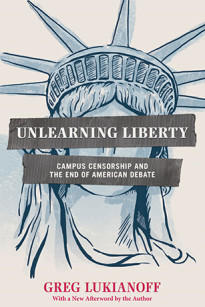
Drawing on a decade of experience battling for freedom of speech on campus, First Amendment lawyer Greg Lukianoff reveals how higher education fails to teach students to become critical thinkers.
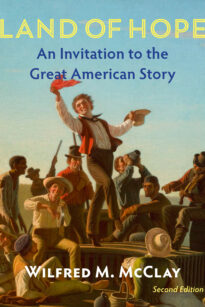
Through carefully selected stories and a clear, engaging writing style, Wilfred McClay invites students, teachers, and history enthusiasts alike to engage with America’s past and our ongoing quest for liberty and justice for all in Land of Hope.
- Read More
- Coming Soon

A series of near-riots on campuses aimed at silencing guest speakers has exposed the fact that our universities are no longer devoted to the free exchange of ideas in pursuit of truth. But this hostility to free speech is only a symptom of a deeper problem, writes John Ellis.
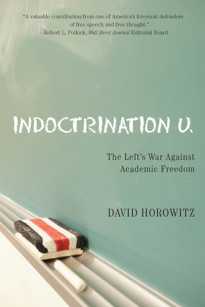
In 2003, David Horowitz began a campaign to promote intellectual diversity and a return to academic standards in American universities. To achieve these goals he devised an Academic Bill of Rights and created a national student movement with chapters on 160 college campuses.
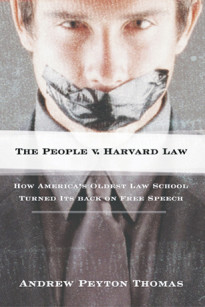
In 2002, Kiwi Camara, a Filipino-American at Harvard Law School, joined most of his classmates in posting his class outlines for the previous year on the school web site. Controversy ensued because some found aspects of Camara’s shorthand racially insensitive. In response, school administrators proposed a speech code.
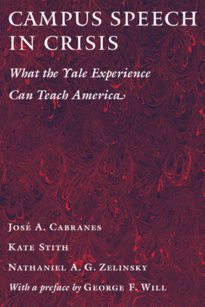
Free speech is in crisis on America’s campuses. Rather than refute an idea with which he disagrees, today’s college student demands censorship. At the slightest hint of offense, the weak-willed administrator complies and disinvites a speaker while a close-minded protestor disrupts a lecture.